The Paleo diet has gained significant popularity in recent years, but along with its rise in fame, various myths and misinformation have also circulated. Let's uncover the truth and dispel some of the most common misconceptions surrounding the Paleo lifestyle.
Myth #1: The Paleo diet is all about consuming large amounts of meat.
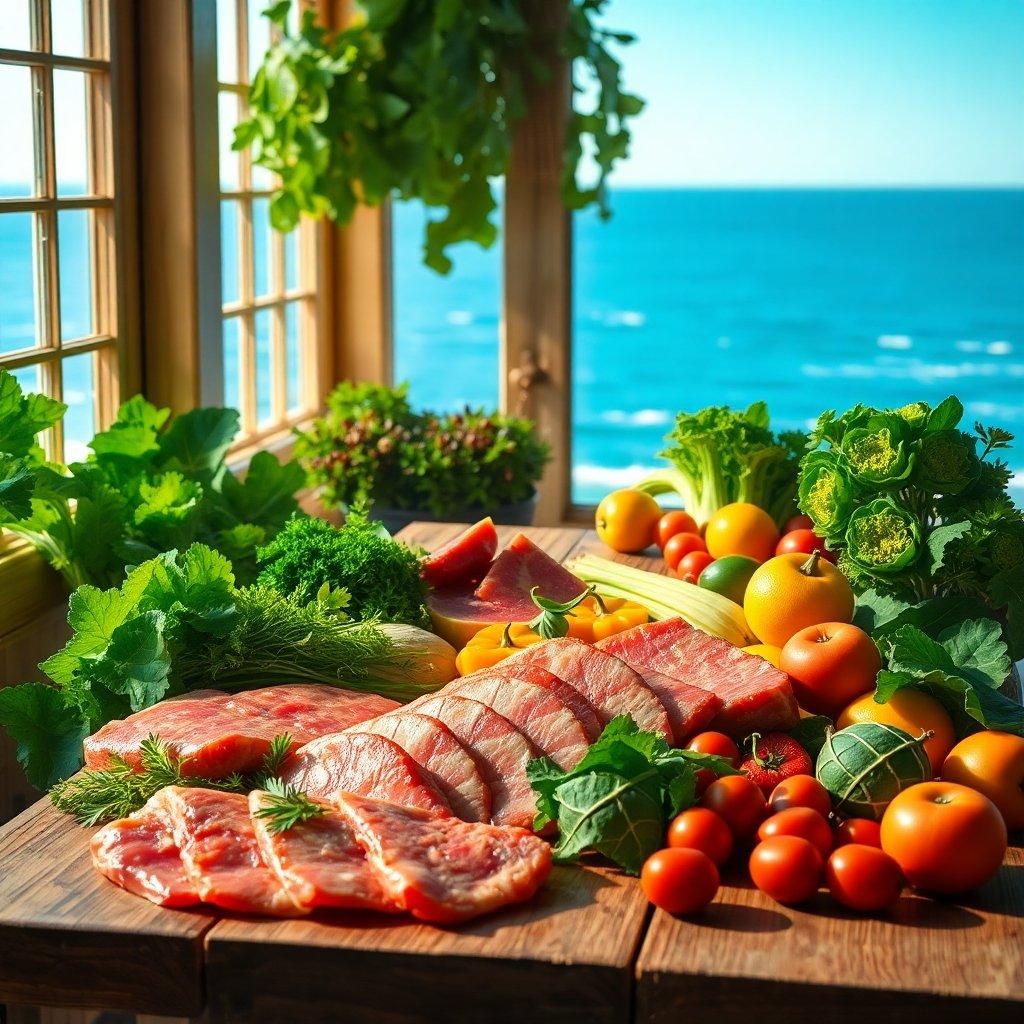
Contrary to popular belief, the Paleo diet is not solely focused on meat consumption. While it does encourage the consumption of lean meats, such as grass-fed beef, poultry, and fish, it also emphasizes the importance of a well-rounded diet. This includes consuming plenty of fresh fruits, vegetables, nuts, and healthy fats like avocados and olive oil. The key is to follow a balanced approach that aligns with what our ancestors would have eaten.
Myth #2: The Paleo diet lacks essential nutrients.
Another myth about the Paleo lifestyle is that it fails to provide the necessary nutrients for a healthy diet. However, if done properly, the Paleo diet can be very nutrient-dense. By focusing on whole, unprocessed foods, it encourages the intake of important vitamins, minerals, and antioxidants. Individuals following this lifestyle often consume higher amounts of fiber, potassium, and protein while limiting refined sugars, processed grains, and unhealthy fats, which are commonly found in modern diets.
Myth #3: The Paleo diet is too restrictive and hard to maintain.
Although the Paleo lifestyle may seem restrictive at first, it is important to understand that it is not a one-size-fits-all approach. While it does exclude certain food groups like grains, legumes, and dairy, it still allows for a wide variety of meals and flavors. With a little creativity, countless delicious and nutritious recipes can be prepared with Paleo-approved ingredients. Additionally, it is possible to modify the diet to suit individual needs and preferences while still adhering to the core principles.

![300 Delicious Paleo Diet Recipes [Black & White Edition]](https://cdn.freshstore.cloud/offer/images/4146/8978/c/the-paleo-cookbook-300-delicious-paleo-diet-recipes-black-white-edition-by-8978-small.jpg)